Secrets of the West Bank in Luxor: Where Pharaohs Sleep and Stones Speak
Secrets of Luxor’s West Bank: Where Stones Speak and Pharaohs Sleep
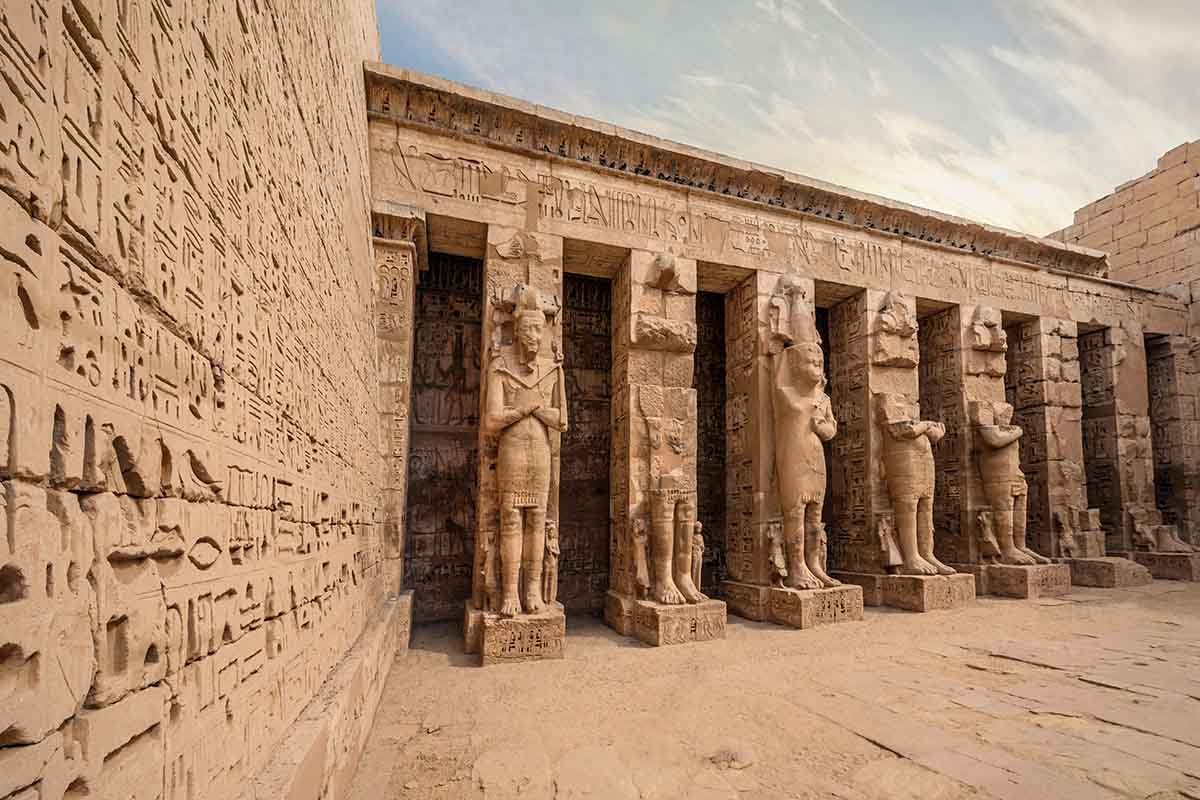
Upper Egypt’s Luxor is one of the world’s greatest open-air museums with nearly a third of the world’s monuments of antiquity. Although the East Bank’s huge Karnak and Luxor Temples are typically what attract the visitors’ attention, it is the West Bank of Luxor that holds the secrets—a world that is ageless—where pharaohs slumber, and where ancient concepts of life after death manifest on stone.
What are the activities in Luxor?
You can visit
Valley of the Kings: The City of Eternal Rest
In the heart of the West Bank lies the legendary Valley of the Kings, the sacred necropolis of pharaohs and highest-ranking nobility of Egypt’s New Kingdom. The remote burial ground contains over 60 tombs, including the world-renowned tomb of Tutankhamun, discovered almost completely intact in 1922.
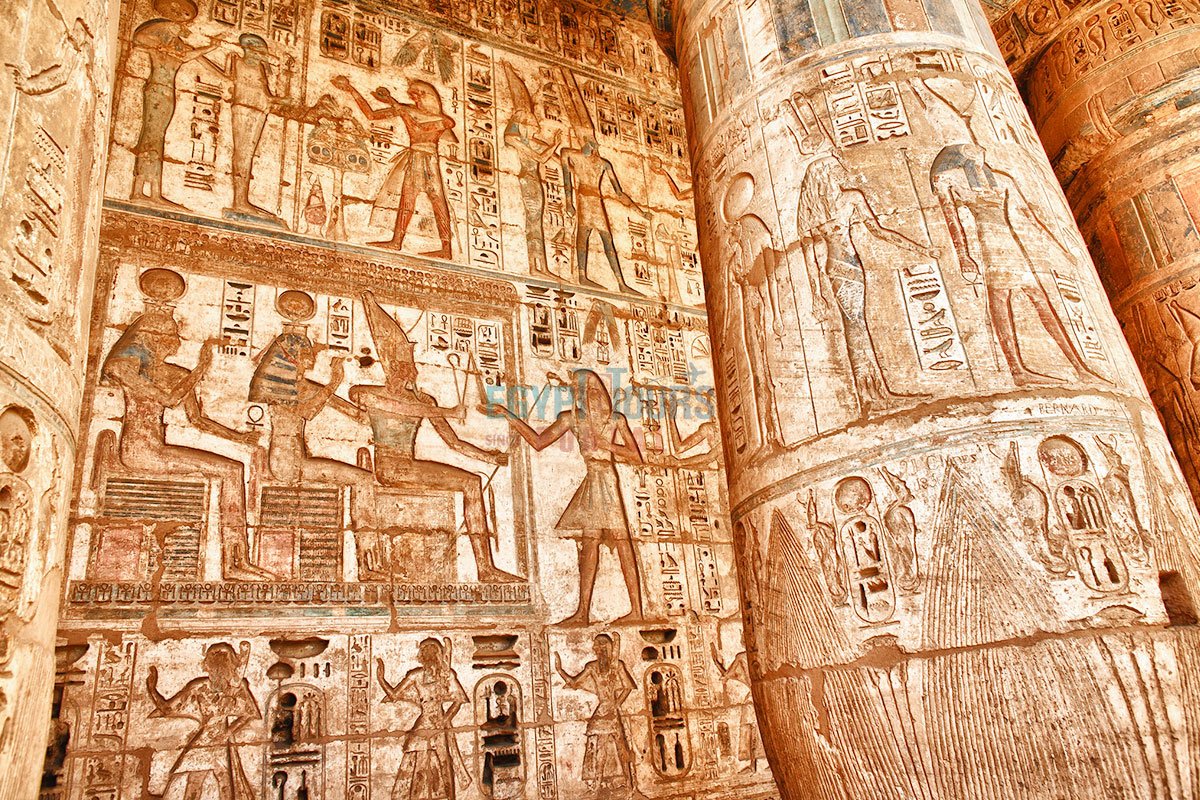
Each tomb is a masterpiece in itself, with the colorful wall paintings having stood the test of more than thousands of years. They depict the rituals, the gods, and the journey of the soul through the afterlife. Some of the tombs, like Ramses VI and Seti I, are achingly beautiful with a combination of artistic genius mixed with deep spiritual symbolism.
Valley of the Queens: The Royal Ladies’ Final Resting Place
Just a short distance away is the Valley of the Queens, the burial ground for queens and children of royalty. The jewel in this location is the tomb of Queen Nefertari, the favorite wife of Ramses II. Familiarly known as the most beautiful tomb in Egypt, its adornment is nothing short of breathtaking in detail and color richness, showing the queen as a goddess among the gods. Not an easy tomb to get to see, this is on every history enthusiast’s bucket list.
Temple of Hatshepsut: A Grandeur in Stone
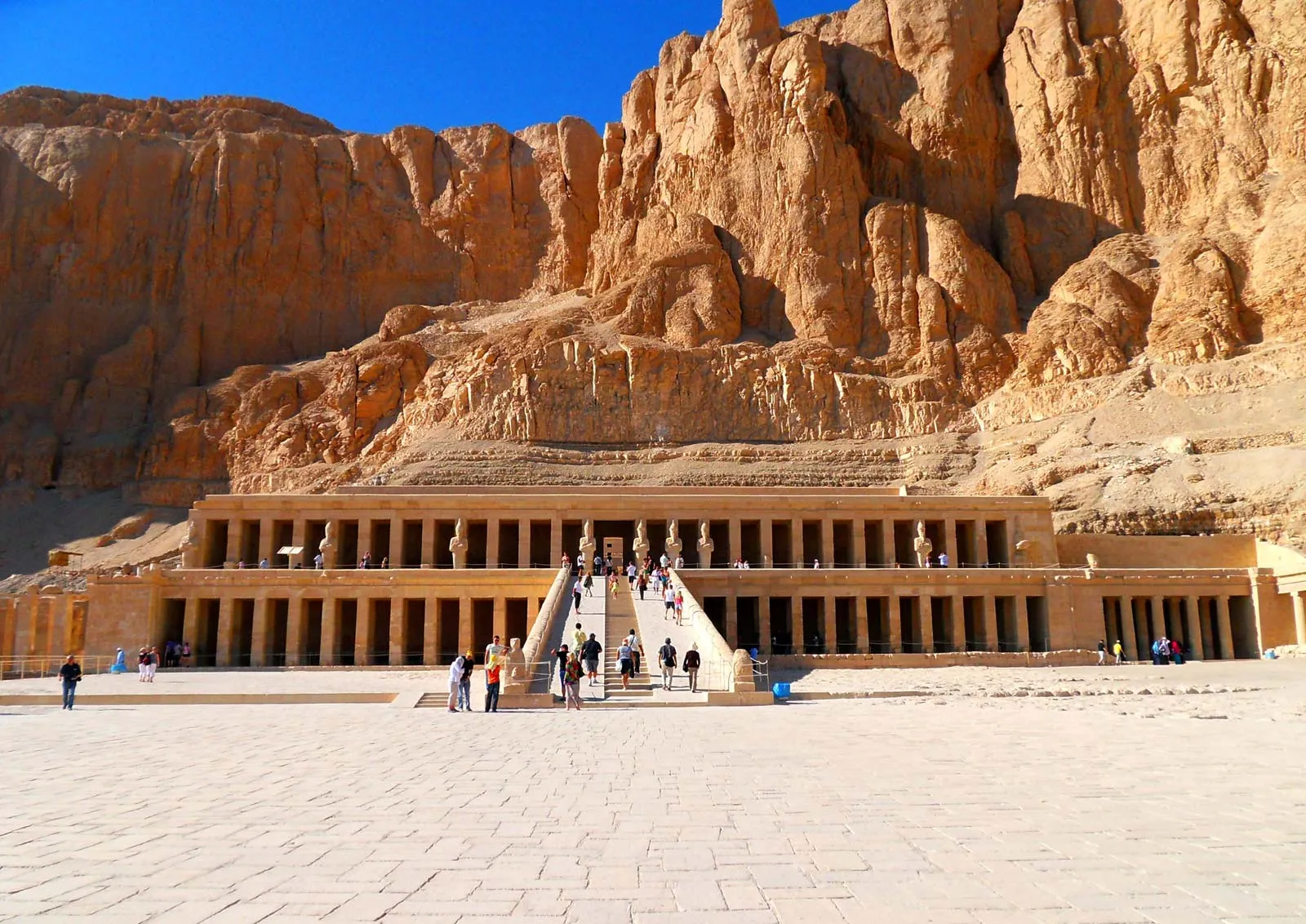
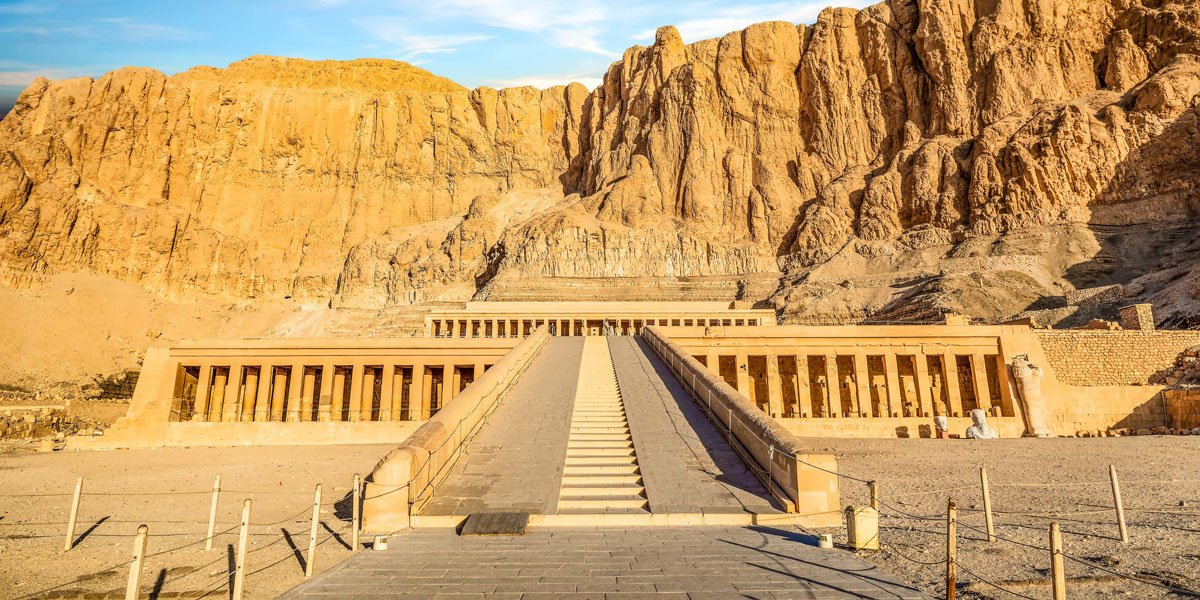
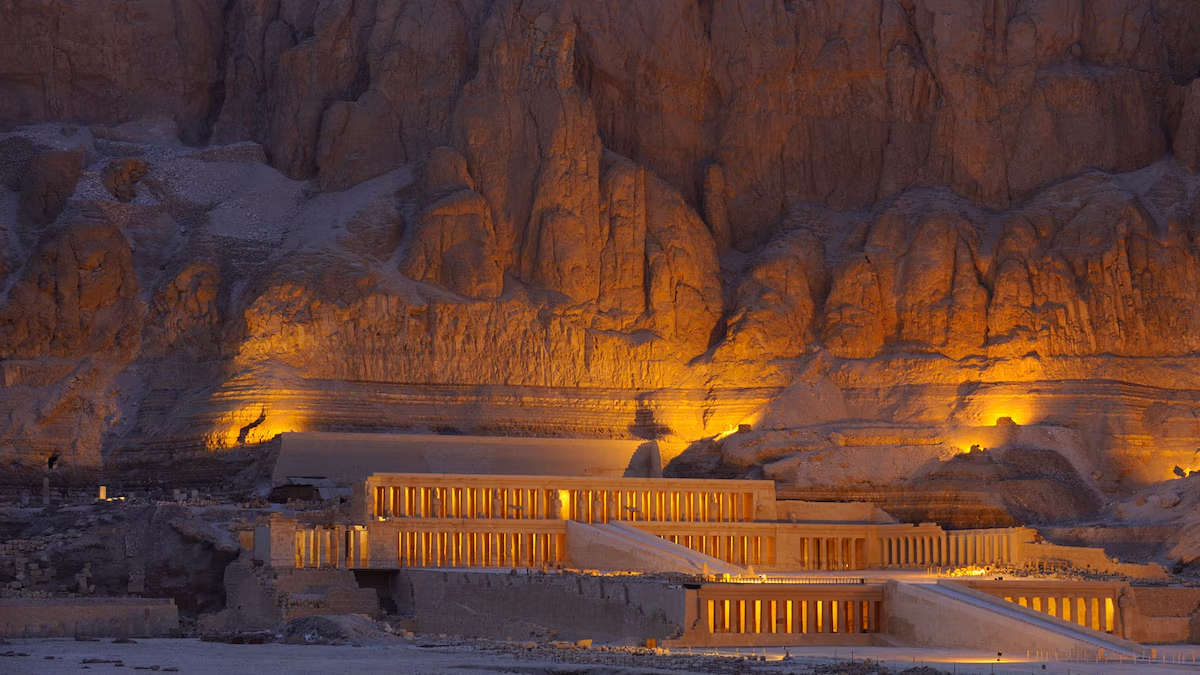
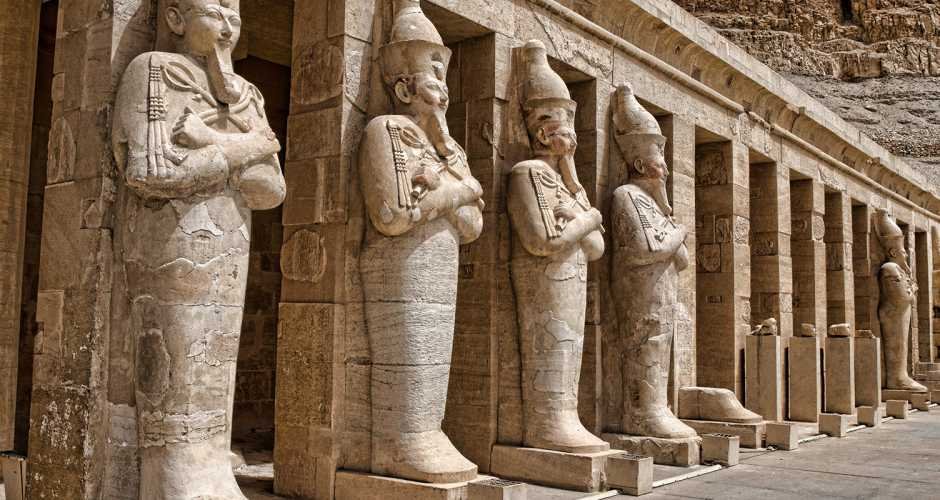
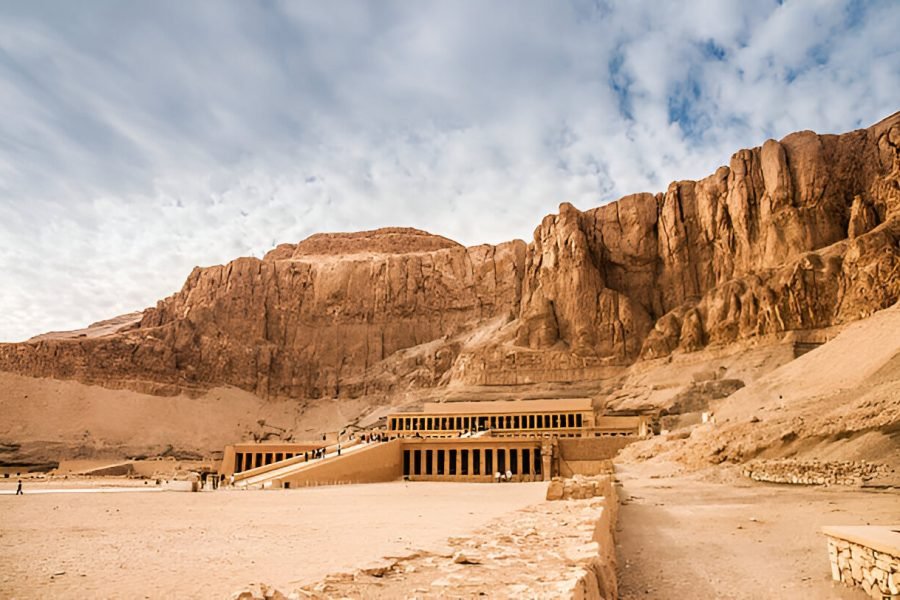
Another West Bank marvel is the Mortuary Temple of Queen Hatshepsut at Deir el-Bahari. This temple, cut into the face of the Theban mountain cliffs, is an ancient masterpiece of design. In its pure lines, rising terraces, and impeccably symmetrical shape, it is a testament to Senemut, the architect of Hatshepsut. The temple tells her story not only as a magnificent queen but also as a woman who dared to reach the highest point of the throne in a patriarchal society.
Colossi of Memnon: The Silent Guardians
There to welcome the arrival to the West Bank are the Colossi of Memnon, two colossal statues of Pharaoh Amenhotep III. Weathered by the winds of centuries, but still massive, these enormous statues have fascinated travelers since ancient times. One of them was reported to “sing” at dawn—a phenomenon that puzzled Greek and Roman travelers and helped add to their mythical fame.
A Taste of Traditional Egypt
However, there is more to the West Bank than tombs and temples. It does also provide a glimpse of the Egyptian countryside. There are villages like Qurna tucked away between hills and fields, where palm trees, mud-brick houses, and friendly villagers welcome travelers with a smile. Camels or donkeys may be ridden through the countryside, or local workshops producing hand-made souvenirs from designs copied from ancient Egypt may be toured.
A Journey Through Time
To go to Luxol’s West Bank is not a touristy trip—a trip to the past. Each valley, each temple, and each wall whispers the secrets of the past. It is there that the Egyptian ancient notion of immortality gets form, where you feel the pharaohs’ presence and the conviction that nurtured one of the world’s most evolved civilizations.
If you are a historian, an adventurer, or simply someone who wishes to be awed, the West Bank of Luxor has in store for you something that will leave you breathless forever.




 English
  Chinese
Leave a review